
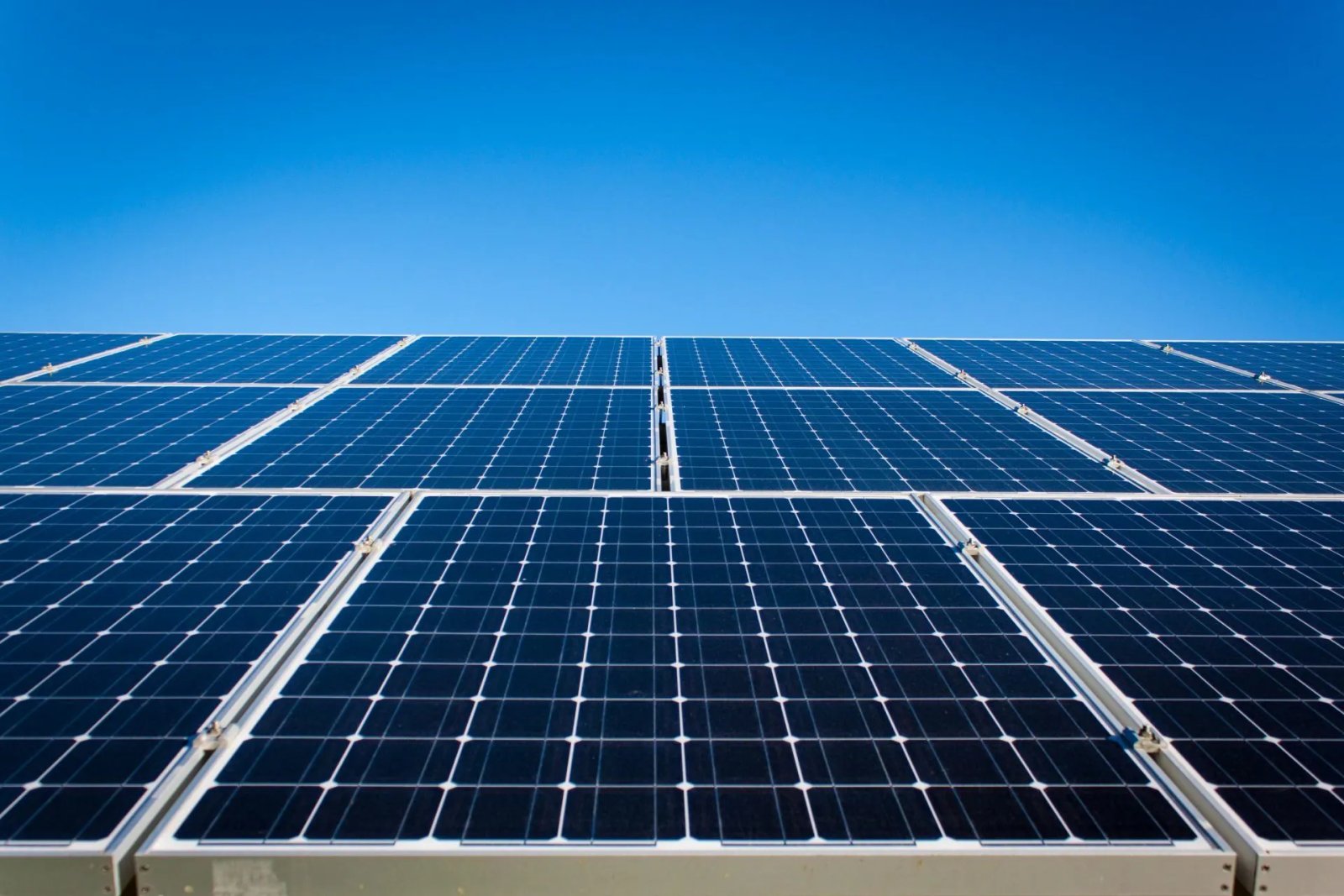
Solar energy is power obtained from sunlight. Solar panels containing photovoltaic (PV) cells convert part of the sunlight that reaches them into direct-current electricity. An inverter can convert this into alternating-current electricity for compatible building loads or grid connection. Solar energy can also be used to produce heat, but solar PV is the technology most commonly discussed when people mean rooftop or solar-park electricity.
What is solar energy?
Solar energy is the energy carried by sunlight. It is a renewable energy resource because sunlight is continuously supplied by the Sun on human timescales. People have used sunlight directly for centuries—for drying crops, warming spaces and heating water. Modern solar technologies make it possible to convert sunlight into useful heat or electricity at a much larger and more controllable scale.
When a business discusses installing a solar power system, it is usually referring to solar photovoltaic technology. A PV module contains many solar cells connected together. When sunlight reaches these cells, the material inside them responds and allows electrical charge to move through an external circuit. The result is electrical power that can be used by equipment, subject to the system design and electrical conversion equipment.
Solar energy is not the same as a guaranteed amount of electricity. Output varies with sunlight, season, weather, shading, module orientation, equipment condition and system design. A useful solar assessment therefore starts with the site and its electricity-use pattern rather than a generic panel-count estimate.
How is sunlight converted into electricity?
The main process used by solar PV is called the photovoltaic effect. Solar cells are made from semiconductor materials. When photons from sunlight are absorbed, they transfer energy to electrons in the material. The cell’s internal electric field helps separate charges, creating a voltage. When the cell is connected in a suitable circuit, current can flow and electrical power is produced.
Individual cells are assembled into modules, commonly called solar panels. Modules are connected into strings and arrays to reach the voltage and power range required by the system. The electricity produced by PV modules is direct current (DC). Most buildings and the public electricity network use alternating current (AC), so an inverter is normally required to convert the electricity into a suitable form.
A complete installation also includes mounting structures, DC and AC cabling, electrical protection, isolators, earthing, monitoring and—where required—transformers, meters and grid-interface equipment. The exact equipment depends on the project size, connection arrangement, site conditions and applicable technical requirements.
Where is solar energy used?
Solar PV can be installed on residential rooftops, commercial buildings, factories, warehouses, educational campuses, hospitals, hotels, shopping centres and suitable ground-mounted sites. A rooftop system may use electricity close to where it is generated. A larger ground-mounted project may supply power through an approved grid-connected arrangement, depending on the commercial and regulatory structure.
Solar thermal systems use sunlight to produce heat rather than electricity. Examples include solar water heating and certain industrial heat applications. The right technology depends on whether the requirement is electrical energy, hot water, process heat or a combination.
For commercial and industrial consumers, the most relevant question is often not simply whether the roof receives sunlight. It is how much electricity the facility consumes during solar generation hours, what the sanctioned load and connection conditions are, whether the roof or land is suitable, and which project model is permitted and commercially appropriate.
Key benefits of solar energy
Renewable generation: Solar PV uses sunlight and does not require fuel to generate electricity. This can diversify a business’s energy mix and reduce exposure to some conventional electricity-price risks, depending on the project structure.
On-site use: A correctly designed rooftop system can generate electricity near the point of consumption. Using generation on site may reduce the quantity of electricity drawn from the grid during relevant hours, subject to metering and tariff rules.
Operational visibility: Monitoring systems can help owners review generation, identify underperformance and understand how the solar plant is operating. Monitoring is most useful when someone is responsible for reviewing alerts and arranging maintenance.
Potential environmental benefit: Solar PV generates electricity without direct combustion at the point of generation. Its full environmental footprint still includes manufacturing, transport, installation and end-of-life management, so responsible procurement and recycling matter.
Scalable planning: Projects can be considered in stages where engineering, roof area, grid capacity, approvals and commercial terms allow. Expansion should be planned around future load and electrical-system capacity, not assumed to be automatically possible.
What are the limitations of solar energy?
Solar generation changes throughout the day and across seasons. A PV system produces little or no electricity at night, and cloud cover can reduce output. Solar generation therefore does not automatically provide round-the-clock power. A grid-connected building continues to rely on the grid when solar generation is insufficient unless an appropriately designed storage or backup arrangement is included.
Site constraints can affect feasibility. Nearby buildings, trees, rooftop equipment and parapet walls may cast shade. Roof age, structural capacity, waterproofing, access pathways, fire-safety requirements and available area all influence design. A roof that appears large from the ground may have less usable area after safe setbacks and obstructions are considered.
Initial project cost, financing terms, equipment quality, maintenance arrangements, insurance, grid charges and applicable regulations can influence the business case. Do not assume a fixed saving, payback period or subsidy. These depend on the actual tariff, consumption profile, project model, location, approvals and contract terms.
How should a business evaluate a solar opportunity?
Begin with at least 12 months of electricity bills where available. Review monthly consumption, tariff components, demand charges, sanctioned load, contract demand, time-of-day usage and any existing power-purchase or open-access arrangements. Interval data is especially useful because monthly totals do not show when electricity is consumed.
Next, arrange a site assessment. The review should consider roof or land dimensions, structural condition, shading, orientation, access, cable routes, electrical rooms, transformer capacity and the point of interconnection. For off-site supply, the assessment also needs to consider the proposed project location, delivery arrangement, network constraints and relevant approvals.
Compare project options on a like-for-like basis. Ask for the proposed capacity, expected generation methodology, degradation assumptions, system losses, equipment warranties, operations and maintenance scope, project timeline, metering arrangement and all recurring charges. Ask the provider to identify assumptions and exclusions clearly.
For businesses in Rajasthan, state and DISCOM requirements can affect feasibility and commercial outcomes. Rules may change, and applicability depends on consumer category, project structure, voltage level and current orders. Verify the latest requirements with the relevant authorities and qualified advisors before committing.
Is solar energy right for every business?
No single solar design is suitable for every facility. A business with substantial daytime consumption and a structurally suitable roof may be a candidate for rooftop PV. A facility with limited roof area may need to examine other permitted procurement models. A site that requires uninterrupted power may need a separate backup strategy, storage assessment or conventional standby supply.
The best first step is a feasibility review that connects the energy data, physical site, electrical infrastructure, operating priorities and commercial model. A credible proposal should explain not only the expected benefits but also constraints, risks, assumptions and responsibilities.
Frequently asked questions
These answers address common beginner and business-planning questions. Actual project requirements depend on site conditions and current rules.
What is solar energy in simple words?
Solar energy is energy from sunlight. Solar panels can convert sunlight into electricity, while solar thermal equipment can use sunlight to produce heat.
How do solar panels make electricity?
Solar cells use the photovoltaic effect. Sunlight energises charges in semiconductor material, producing DC electricity that an inverter can convert to AC for many building applications.
Is solar energy renewable?
Yes. Solar energy comes from sunlight, which is naturally replenished. The equipment used to capture it still has a manufacturing and end-of-life footprint.
Can solar panels generate electricity at night?
Solar PV panels do not generate electricity from sunlight at night. A building may use grid electricity or stored energy if a suitable battery system is installed.
Does solar work on cloudy days?
Yes, panels can generate electricity in diffuse daylight, but output is generally lower than under strong direct sunlight. Actual output depends on weather and system conditions.
Can a factory or hotel use solar power?
Potentially. Suitability depends on its load profile, site area, structural and electrical conditions, connection arrangement, tariff and applicable regulations.
Does installing solar guarantee lower electricity bills?
No fixed saving is guaranteed. The result depends on generation, self-consumption, tariffs, metering, charges, financing, maintenance and the project contract.
What information is needed for a solar feasibility assessment?
Useful inputs include recent electricity bills, interval load data if available, sanctioned load, site address, roof or land details, operating hours and the consumer’s energy objectives.
Planning solar for your business?
Start with your electricity bills, operating profile and site details. Viztaar Renewables can help you understand the next steps for a project-specific discussion.
Discuss your energy requirements ↗Editorial note: This guide is educational, not a project design, legal opinion or financial guarantee. Confirm technical specifications, state/DISCOM rules, prices, incentives and performance estimates for your site before making a decision.